Retaining wall landscape construction significantly contributes to enhancing outdoor spaces by supporting soil, preventing erosion, and increasing the aesthetic appeal of sloped terrain. If you are homeowner, DIY enthusiast, or professional landscaping contractor, understanding the different steps and considerations involved—from site preparation and material selection to drainage and maintenance—is vital for successful project execution. This detailed guide discusses everything you should learn about retaining wall construction in landscape architecture for 2025 and beyond.
What Are the Primary Purposes of a Retaining Wall in Landscape Construction?
Retaining walls have various operational and ornamental roles in landscape construction. Their principal aim is to counteract soil erosion and ensure important soil stability on sloped land. By keeping soil in place, they prevent runoff damage and create safer, more usable terrain. These structures also are key in controlling erosion by controlling water drainage properly, which is an crucial component of landscape engineering and grading slope strategies.
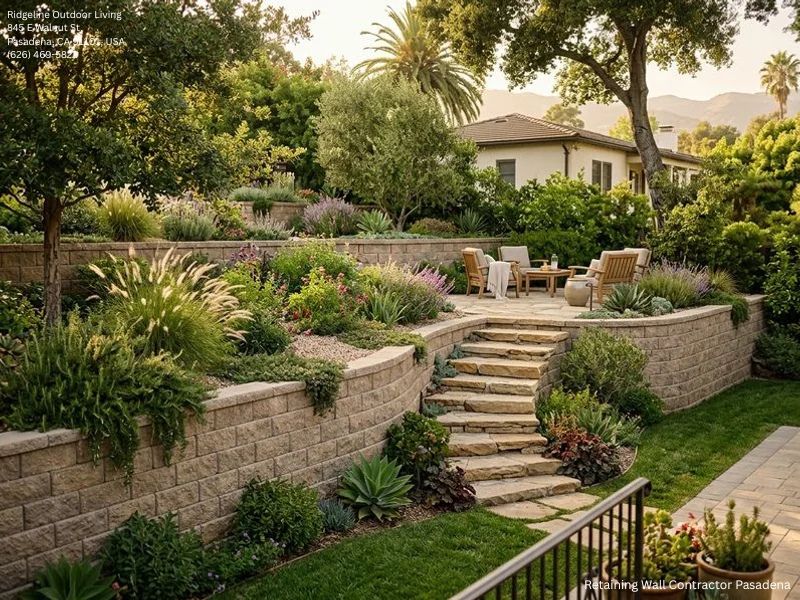
Apart from functionality, retaining walls greatly enhance landscape aesthetics by shaping distinct garden beds, terraces, or structural features like patios and walkways. They enhance property value by offering visually appealing architectural features that blend form and utility.
- Reduce soil erosion and secure slanting or loose earthBuild even outdoor zones perfect for gardening, relaxing, or activitiesProvide backing for structures including garden plots and trailsEnhance entire landscape design through more dimension and detail
Which Varieties of Retaining Walls Are Popular in Landscaping?
Choosing the right retaining wall type depends on factors like desired durability, cost, aesthetic preferences, and site conditions. The most common retaining wall materials applied in landscape construction include concrete, timber, stone, and segmental blocks.
- Concrete retaining walls: These may be cast onsite or assembled from precast panels. They deliver excellent toughness and extended lifespan, making them ideal for heavy-duty uses and taller constructions. Timber retaining walls: Timber gives a rustic feel and is usually budget-friendly. However, it commonly has reduced durability and calls for more regular maintenance than other types. Stone retaining walls: Natural stone walls are celebrated for their attractive look and toughness. They blend seamlessly with natural or traditional garden layouts and endure for many years. Segmental block retaining walls: Constructed from modular blocks stacked without mortar, these walls streamline installation and support adaptable retaining wall patterns and layouts.
All retaining wall type demands specific construction techniques and has different maintenance needs, so understanding these details assists in proper project planning and execution.
How Is Site Preparation and Excavation Handled for Retaining Wall Construction?
Site preparation is a essential step that decides the success and longevity of any retaining wall project. It consists of evaluating the present landscape grading and slope to create an appropriate excavation plan.
- Initiate by clearing vegetation and debris to reveal the construction zone.Mark the retaining wall layout carefully noting dimensions and alignment.Excavate soil to form a stable foundation base and trench for the retaining wall footing, guaranteeing it contacts undisturbed soil or appropriately compacted fill.After excavation, execute landscape leveling and grading around the site to manage drainage flow away from the wall and to minimize hydrostatic pressure.
Thorough excavation and site preparation avoid future issues such as settling or wall failure by building a stable platform for the retaining wall structure.
What Materials Are Involved in Building a Retaining Wall?
The selection and quality of materials specifically affect the retaining wall’s stability and appearance. Frequently utilized retaining wall materials correspond to the selected wall type but also contain important supporting elements.
- Retaining wall blocks or stones: These serve as the primary structural component and differ in size, shape, and finish. Backfill material: Typically free-draining gravel or crushed stone placed behind the wall to lessen soil pressure and increase drainage. Geotextile fabric: Placed between soil and backfill to avoid soil migration and sustain efficient drainage. Retaining wall capstones: Attractive and protective caps installed atop walls to protect against weathering and to enhance the visual design.
Opting for compatible and durable materials ensures both structural support and retaining wall longevity.
What Role Does Drainage Serve in Retaining Wall Landscape Construction?
Drainage is a important factor in retaining wall construction because poor water management can cause hydrostatic pressure buildup, leading to wall deformation or collapse. Adequate retaining wall drainage incorporates several components to effectively channel water away from the structure.
- Set perforated drainage pipes (commonly called “weep pipes”) at the base of the wall to gather and divert subsurface water.Replace with coarse gravel or aggregate to enhance water drainage behind the wall.Incorporate geotextile fabrics to divide soil from drainage materials, stopping clogging and preserving permeability.Organize landscaping irrigation systems thoughtfully to reduce oversaturating soil beside the wall.
By regulating water flow smoothly, retaining wall drainage substantially improves erosion control and aids the soil stabilization process.
How Is the Retaining Wall Design and Structural Support Determined?
Developing a structurally sound retaining wall requires factoring in multiple engineering principles based on site-specific parameters.
- Retaining wall height: Taller walls call for more durable design and reinforcement to endure lateral earth pressure. Soil type: Different soils exert variable loads, affecting footing and wall thickness requirements. Load pressures: Including surcharge from vehicles, buildings, or additional landscape features. Retaining wall footing: A properly sized and reinforced footing shares loads evenly to stop settling. Wall reinforcement: Rebar, anchors, or geogrids may be used depending on structural demands.
Compliance with local building codes and retaining wall safety standards is mandatory. Regularly, consultation with landscape engineers or architects during design secures the wall meets necessary codes and functions optimally within the landscape project planning phase.
What Is Involved in the Actual Installation and Construction Techniques?
Successful retaining wall installation blends precision, proper sequencing, and adherence to construction best practices.
- Begin by laying out the retaining wall dimensions on site using landscaping tools for accuracy.Install the first course of blocks or stones on the prepared foundation base, making sure they are level and aligned correctly.Layer successive courses with staggered joints following a consistent retaining wall pattern to enhance interlock and strength.Fill in in layers behind the wall, compacting each layer properly to limit voids and settlement.Complete the wall by placing retaining wall capstones or edging to fasten and visually enhance the structure.
Using these complete hardscape solutions retaining wall development approaches contributes to a durable and attractive finished product.
What Maintenance Issues Should Be Noted for Retaining Walls?
Effective maintenance increases the life hardscaping tips and durability of retaining walls, safeguarding your investment over time.
- Conduct frequent retaining wall inspections to recognize any cracks, bulging, or shifting beforehand.Eliminate debris, leaves, and vegetation situated too close to the wall that can trap moisture or interfere with soil stabilization.Care for drainage systems by unblocking weep holes and preventing clogging of gravel backfill.Address minor repairs such as fixing mortar joints, changing damaged blocks, or securing wall anchors before they intensify.
These simple maintenance steps promote retaining wall longevity and sustained safety.
Is It Necessary to Obtain Permits and Consult Professionals for Retaining Wall Projects?
Depending on whether permits and professional involvement are needed is determined by retaining wall height, complexity, and local regulations.
- Numerous municipalities demand building permits for retaining walls over certain heights—generally over four feet—and may require engineered drawings.Consulting with licensed landscape architects or structural engineers during design can secure compliance with safety codes and optimize project outcomes.Contracting experienced landscape contractors is suggested for complex or large-scale retaining wall installations to assure proper construction techniques.Advance planning incorporating permit acquisition and professional consultations facilitates accurate budgeting and scheduling of the landscape project.
What Role Do Landscaping Plants Play with Retaining Walls?
Landscaping plants contribute an important softscape element that enhances the hardscape retaining wall while supporting soil stabilization and erosion control.
- Select plants with root systems that stabilize soil but avoid damage retaining wall structures, such as groundcovers or deep-rooted shrubs.Employ garden beds created by terraced retaining walls to add lush visual layers and biodiversity to the landscape.Integrate landscaping irrigation thoughtfully to maintain plant health without resulting in water pooling near retaining walls.
Integrating plants with retaining walls boosts landscape aesthetics while delivering functional benefits.
What Regular Costs Are Involved with Retaining Wall Landscape Construction?
Recognizing the cost components behind retaining wall projects is beneficial for realistic budgeting.
- Materials: Concrete and rock generally involve elevated costs upfront but yield enhanced durability and lower long-term maintenance expenses. Labor: Experienced craftsmanship impacts the complexity of installation and overall expense. Height and complexity: Higher walls and distinctive features (curves, terraces) expand material volume and construction time. Additional expenses: Include drainage systems, design fees, permits, and additional landscaping irrigation adjustments.
Accounting for long-term retaining wall durability and maintenance costs helps in creating budget-friendly decisions.
Frequently Asked Questions About Retaining Wall Landscape Construction
Q1: How lofty can a retaining wall be without demanding a permit?
A: While regulations vary, retaining walls over 4 feet in height commonly require permits and engineered designs to ensure safety and compliance with local building codes.Q2: What is the best material for long-lasting retaining walls?
A: Concrete and natural stone are preferred for their longevity and resilience against weathering and soil pressure compared to timber, which tends to degrade faster.Q3: How do I prevent retaining wall failure due to drainage issues?
A: Proper drainage installation including perforated pipes, gravel backfill, and geotextile fabric is critical to relieve hydrostatic pressure and protect structural stability.Q4: Can I install a retaining wall myself or should I hire a professional?
A: Small, low-height walls may be suitable for experienced DIYers, but larger or engineered walls require professional expertise to guarantee durability and safety.Q5: How often should I inspect and maintain my retaining wall?
A: Annual inspections, especially after extreme weather events, combined with prompt repairs, help extend the life and safety of the retaining wall.Conclusion
Retaining wall landscape construction encompasses a extensive process involving meticulous design, quality material selection, accurate installation techniques, and ongoing maintenance. These structures not only handle major challenges like soil erosion and slope stabilization but also greatly increase landscape aesthetics and usability. By accounting for drainage, structural support, permits, and professional guidance, homeowners and landscape professionals can successfully implement retaining walls that remain durable and elevate outdoor living spaces. Initiate planning your retaining wall project today to enjoy the functional beauty and stability it offers to your landscape.
Ridgeline Outdoor Living
Ridgeline Outdoor Living is a Pasadena-based landscape design-build company serving Greater Los Angeles with custom outdoor living, hardscape, and drought-tolerant landscape solutions. The company specializes in patios, retaining walls, outdoor kitchens, drainage, hillside projects, and turnkey landscape construction, handling projects from design and permitting through final build and warranty.
Address:
845 E Walnut St,
Pasadena,
CA
91101,
United States
Phone: (626) 469-5822
Map: View on Google Maps
Business Hours:
- Monday – Saturday: 8:00 AM – 6:00 PM
- Sunday: Closed
Follow Us: